
Available courses
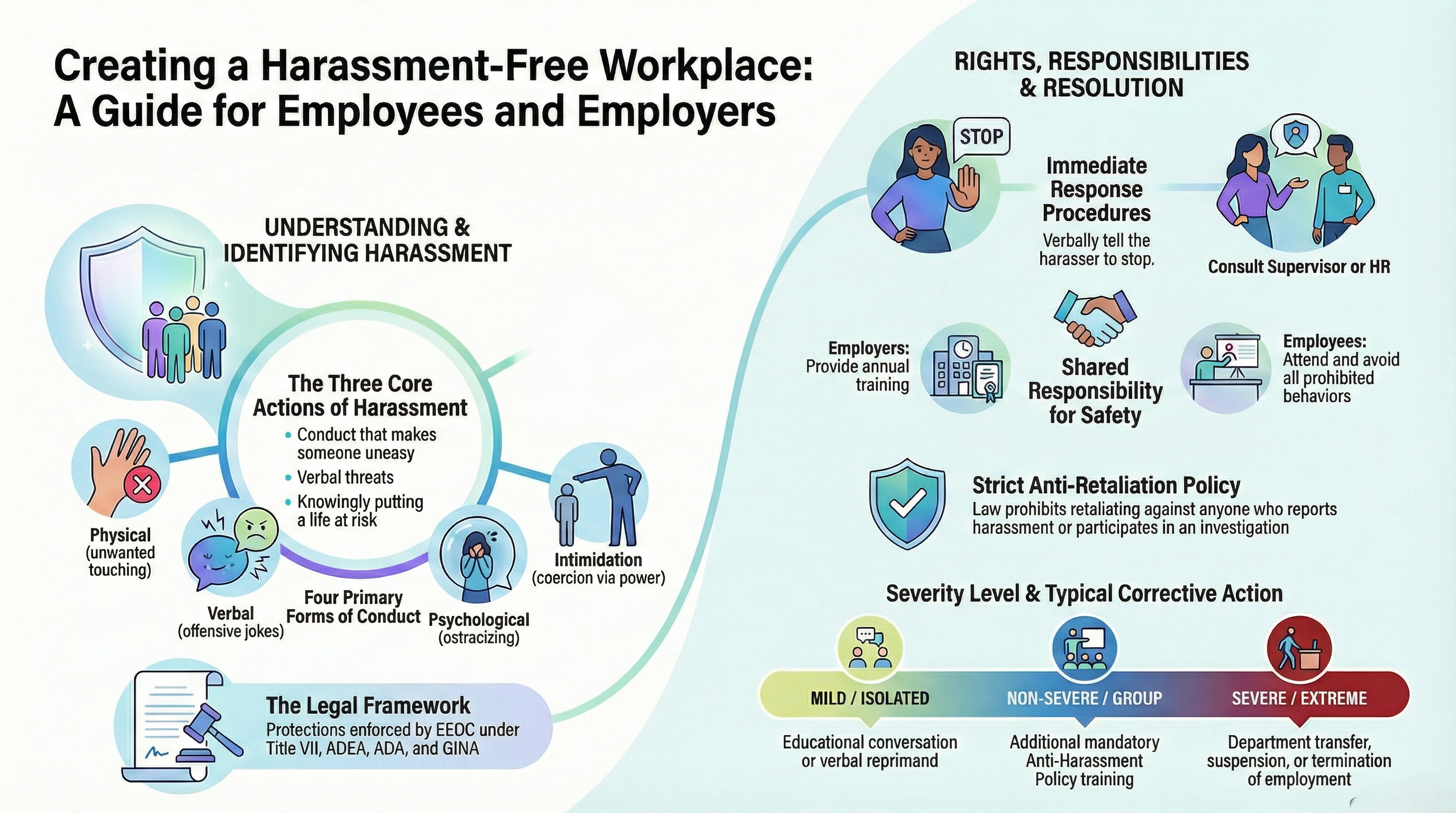
This workplace harassment learning module serves as a comprehensive guide for identifying, preventing, and resolving misconduct within a professional environment. It outlines critical federal laws, such as Title VII and the ADA, while defining the specific rights and responsibilities held by both employers and their staff. The material explores conflict resolution strategies, including formal investigations, labor union grievances, and the multi-stage mediation process. Practical case studies illustrate how to address various forms of harassment, ranging from physical intimidation to subtle psychological or sexual offenses. Ultimately, the text emphasizes the necessity of clear anti-harassment policies and proactive education to maintain a safe, respectful, and legally compliant workplace. The manual concludes by offering guidance on monitoring the aftermath of incidents to ensure long-term professional recovery and behavioral growth.
Teacher: DRM Development Orlando Florida
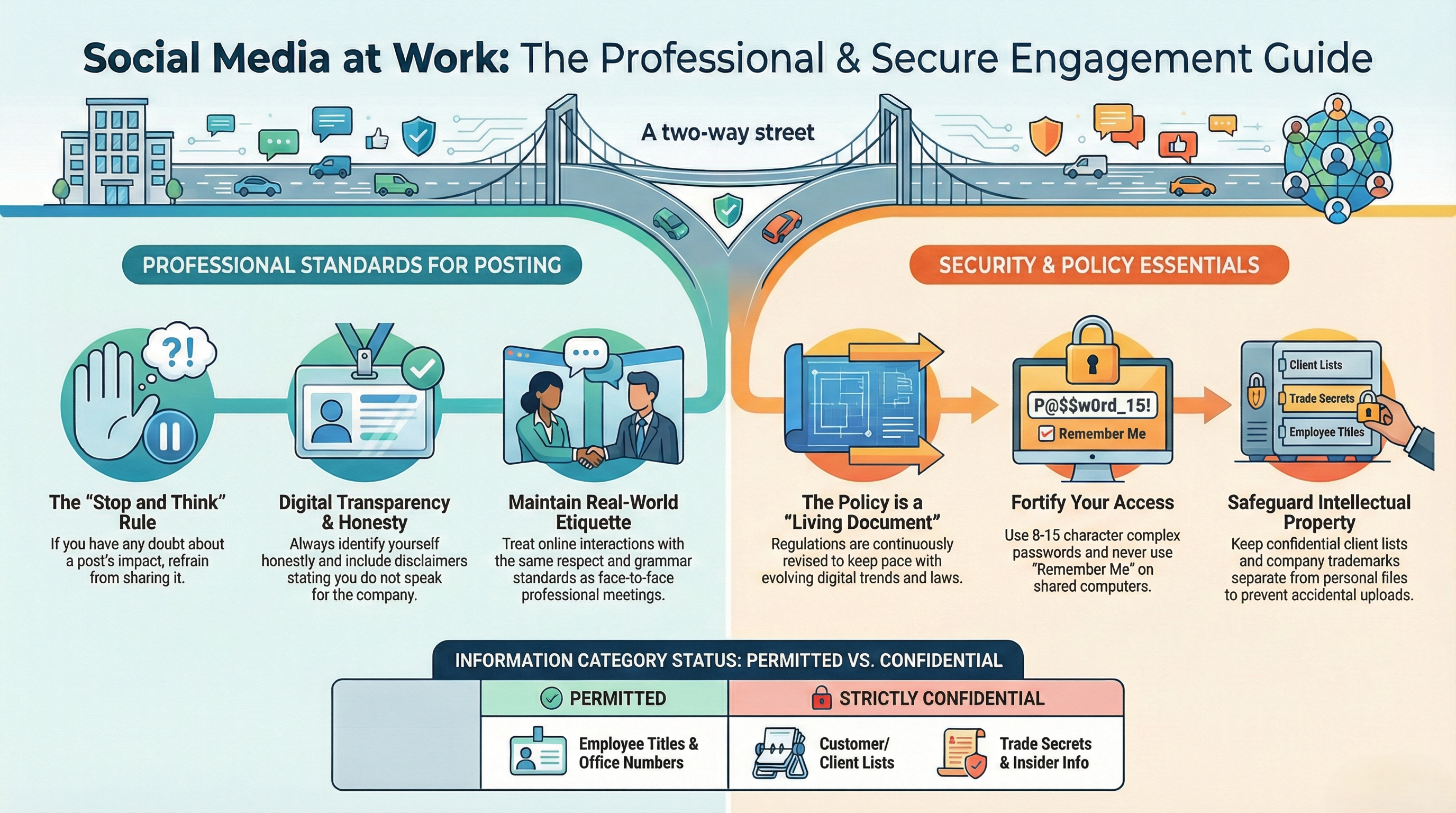
This learning module provides a comprehensive framework for managing social media in professional environments. It emphasizes the necessity of a living social media policy that can adapt to the rapid evolution of digital communication tools. Key modules outline the importance of security protocols, such as password management and the protection of intellectual property, to mitigate corporate risk. Employees are encouraged to maintain professionalism and transparency while avoiding common pitfalls like online bullying or reactive posting in anger. The text highlights how these platforms can build customer loyalty and improve brand development through direct, two-way interaction. Ultimately, the guide suggests that successful integration requires balancing employee productivity with the strategic benefits of an interconnected workplace.
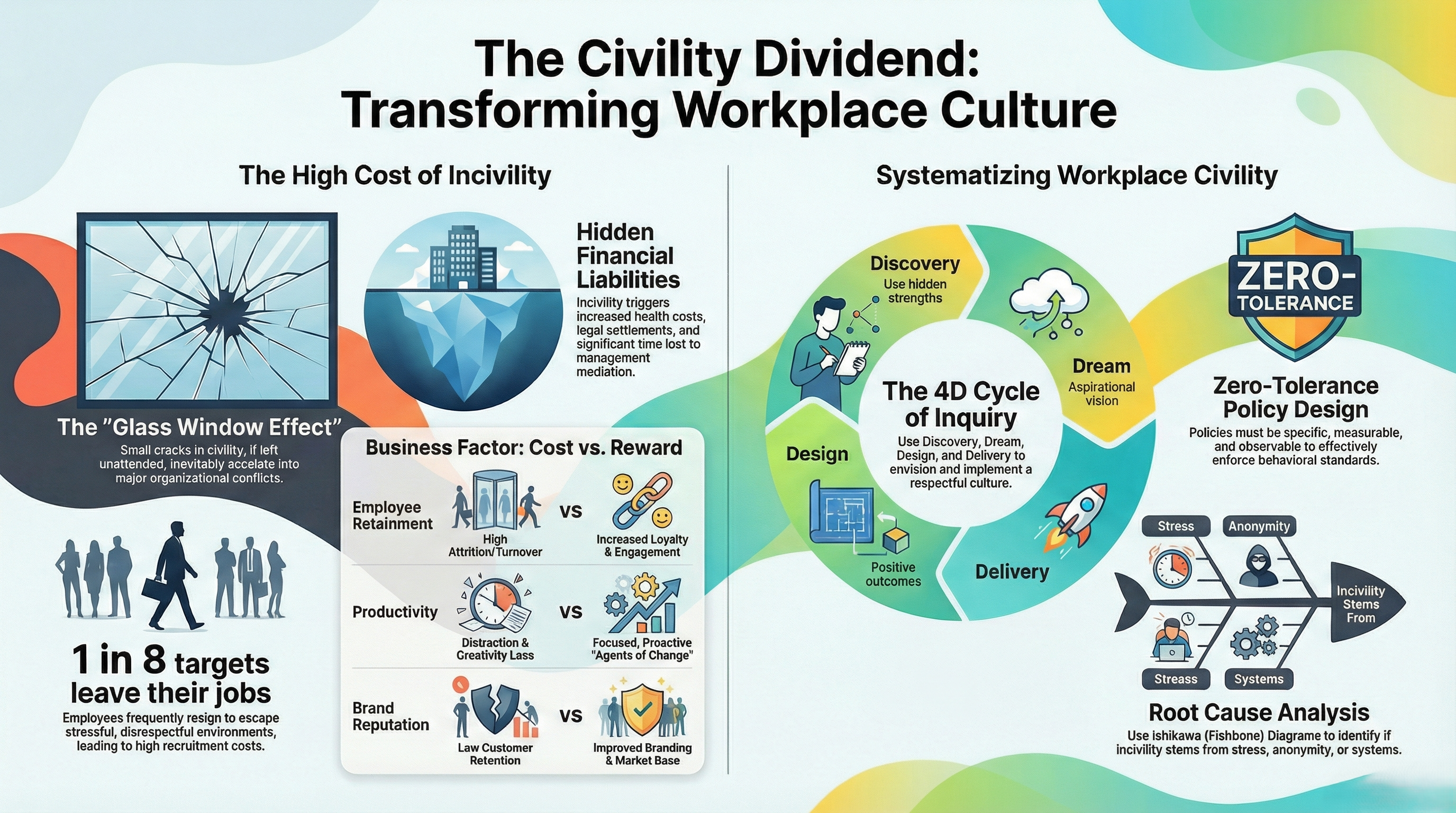
The provided training manual serves as a comprehensive guide for fostering civility and professional etiquette within a corporate environment. It outlines the significant financial and cultural costs of workplace incivility, such as high employee turnover and decreased productivity, while highlighting the rewards of a respectful atmosphere. The text provides practical frameworks for conflict resolution, effective communication, and identifying root causes of interpersonal friction through scientific tools like cause-and-effect diagrams. Furthermore, it offers a step-by-step methodology for drafting, implementing, and enforcing formal civility policies to institutionalize professional conduct. By combining soft skills training with organizational strategy, the manual aims to transform workplace culture into one of mutual respect and collaborative success.
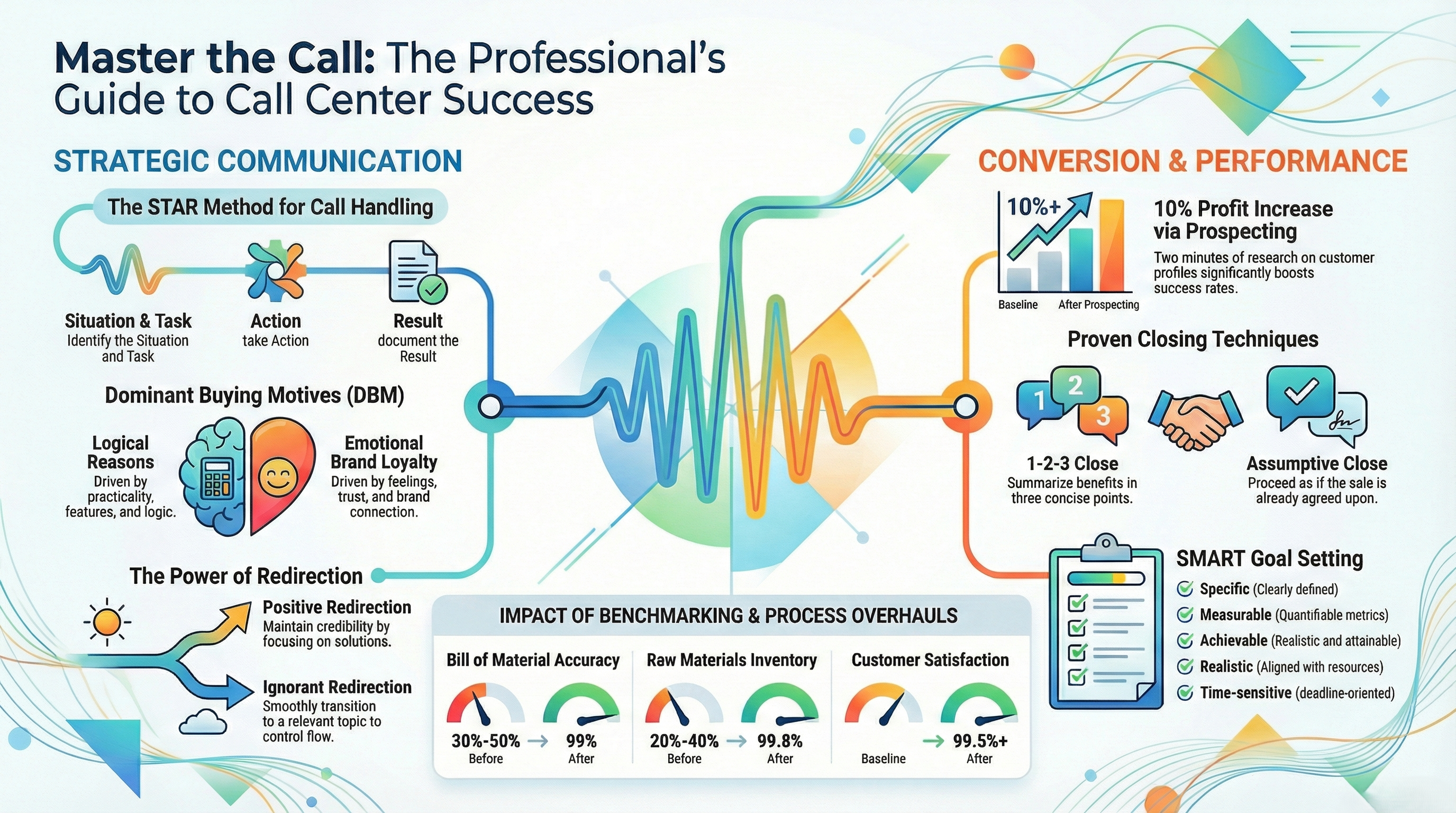
This comprehensive training module provides a structured framework for developing professional call center and sales expertise. The material is organized into twelve modules that cover essential skills such as phone etiquette, building rapport, and navigating difficult customer interactions. It introduces specialized strategic tools like the STAR method for communication and SMART goals for performance management. Trainees learn to identify buying motives and master various questioning techniques to effectively guide conversations toward a successful close. Additionally, the text emphasizes the importance of benchmarking and self-assessment to ensure consistent growth and service excellence. Case studies and review questions are integrated throughout to provide practical applications of these corporate principles.
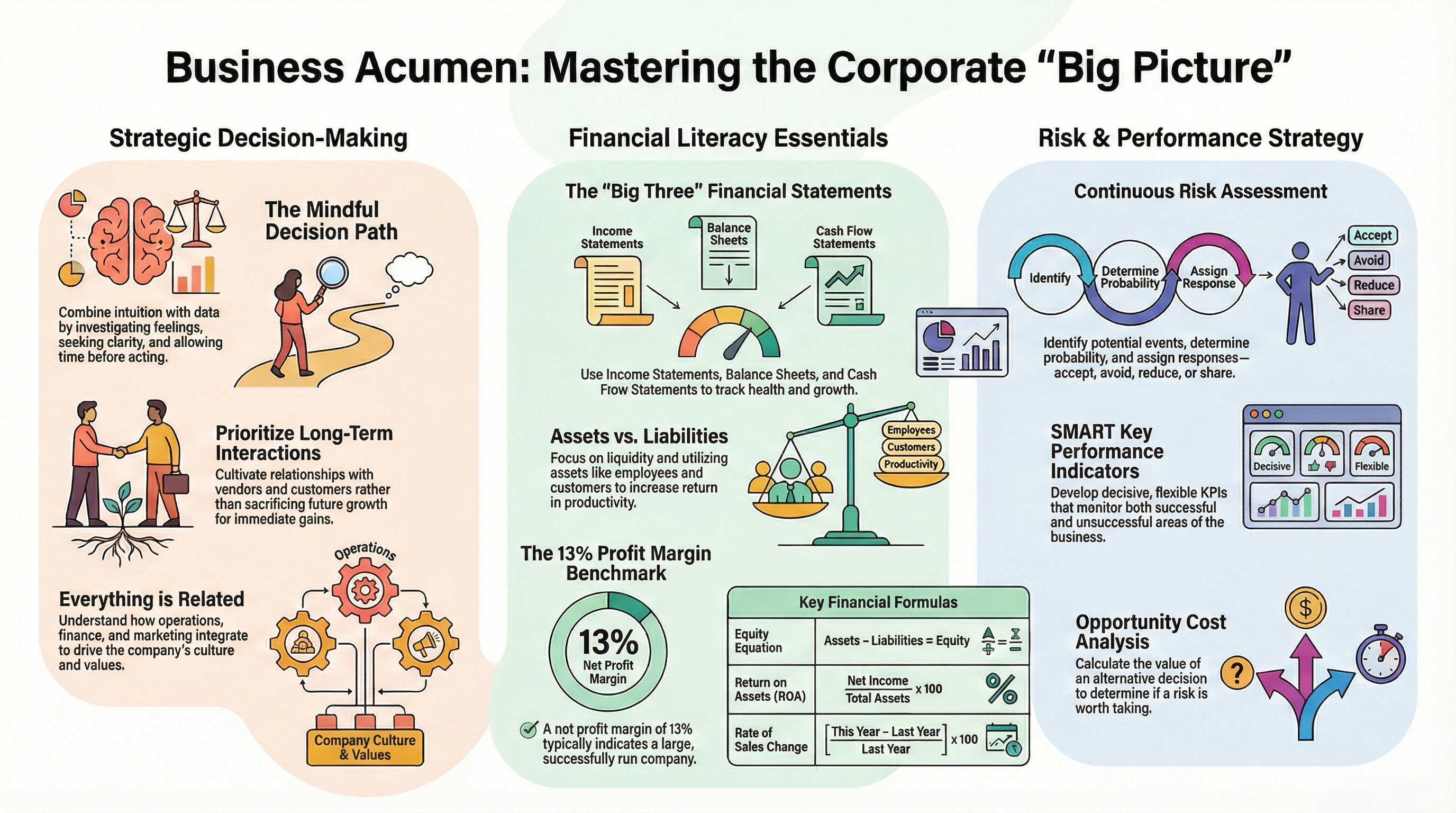
This business acumen training module serves as a comprehensive guide for developing professional expertise in corporate strategy and financial literacy. The material focuses on mastering the "big picture" by balancing short-term interactions with long-term growth and effective risk management. Participants learn to interpret essential financial statements and use Key Performance Indicators (KPIs) to drive decisive, flexible management actions. Furthermore, the text emphasizes critical thinking and the continuous evaluation of past decisions to turn potential problems into learning opportunities. By aligning individual goals with organizational objectives, the curriculum aims to equip leaders with the tools necessary to optimize human capital and operational processes.
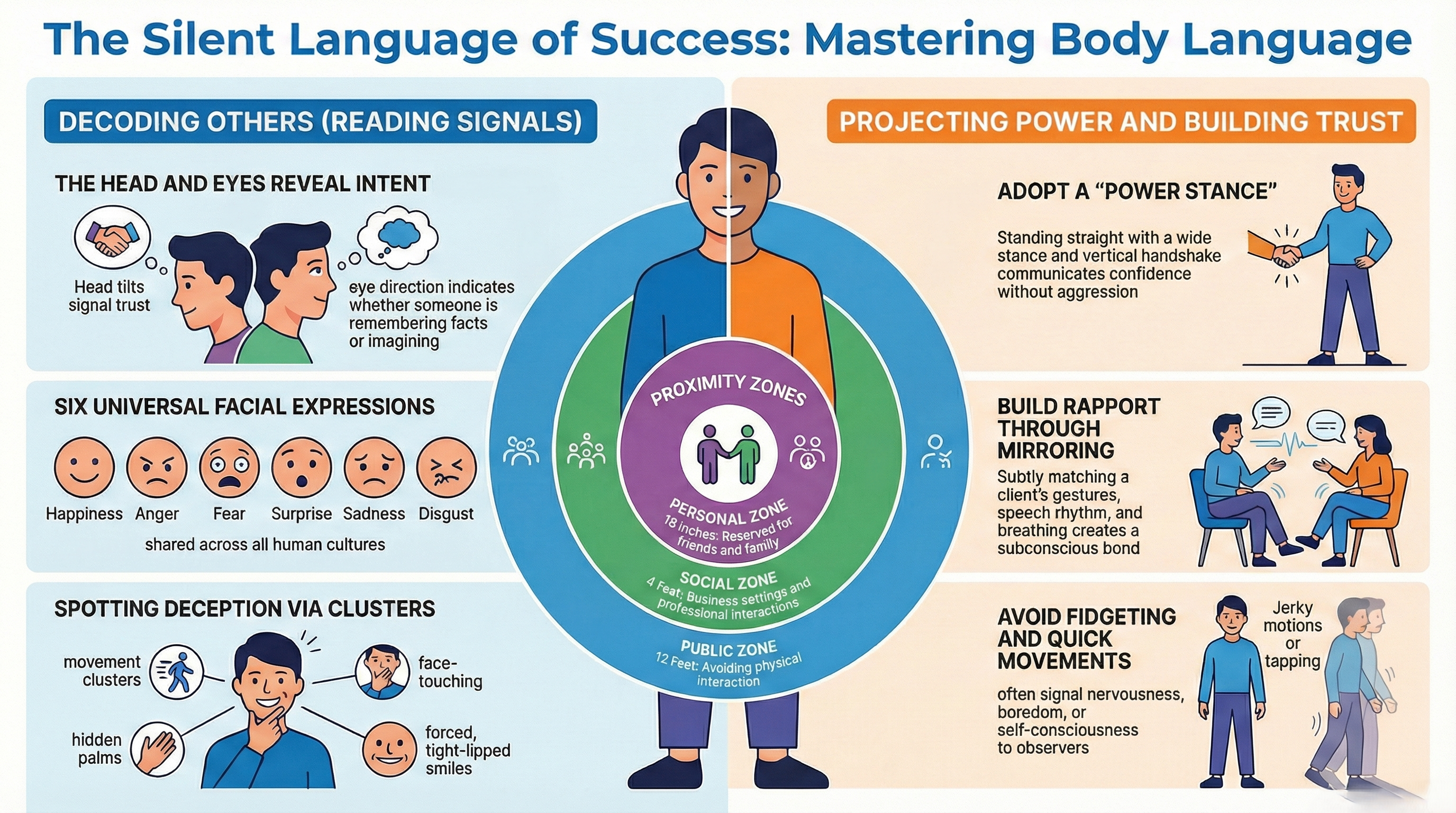
This corporate training module provides a comprehensive guide to understanding and mastering nonverbal communication to enhance professional relationships. The text explores how physical gestures, facial expressions, and posture often convey more truth than spoken words, serving as a "silent language" in business settings. Specific modules examine gender differences in spacing, the science of micro-expressions, and techniques for identifying deception through involuntary movements. Readers are encouraged to build trust and authority by aligning their physical actions with their verbal messages through methods like mirroring and improved self-awareness. Ultimately, the source emphasizes that consistent practice and cultural sensitivity are essential for using body language as a tool for leadership and career success.
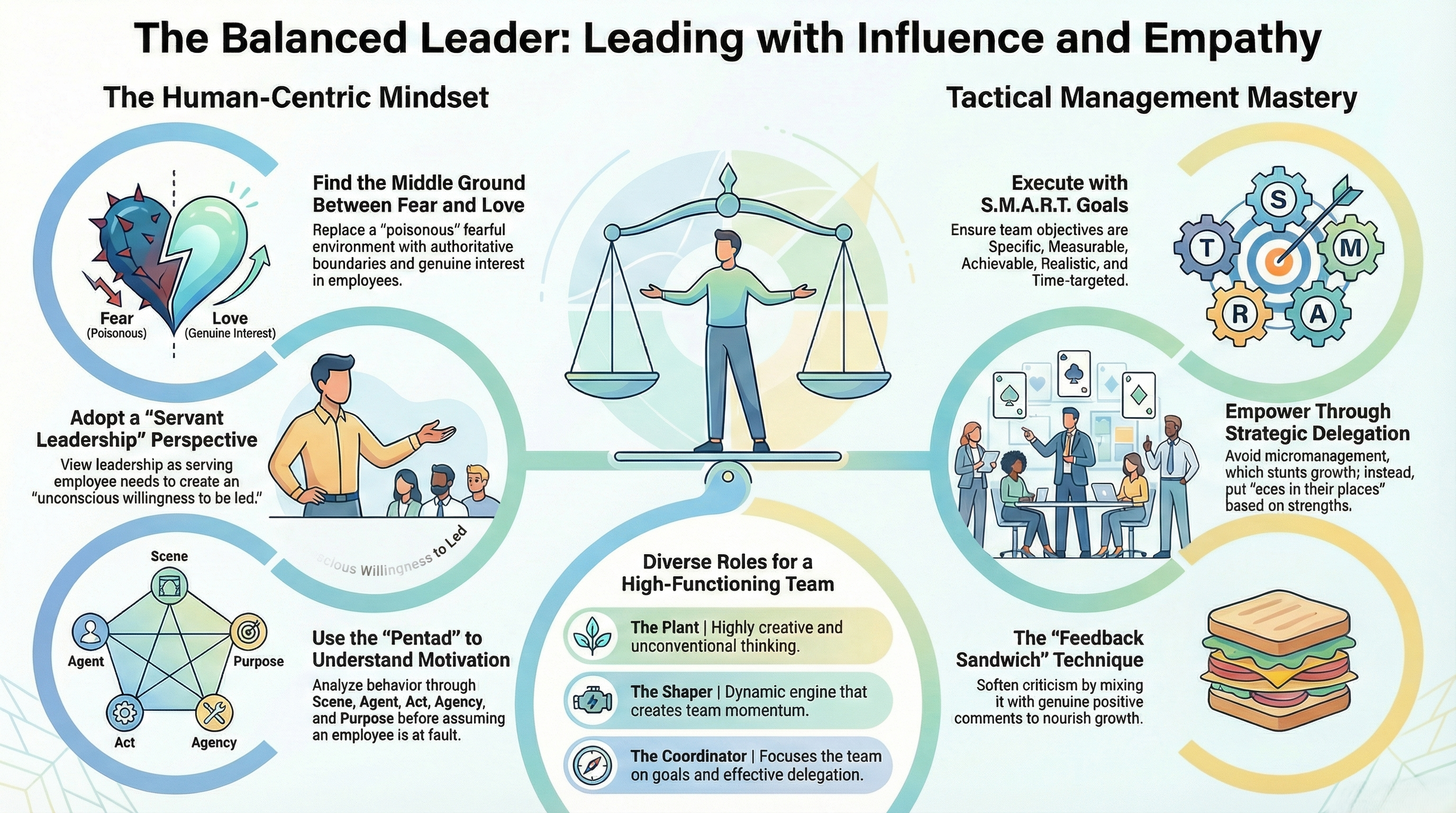
This corporate training provides a comprehensive guide on how to evolve into a supportive and effective leader. It explores the balance between authority and empathy, encouraging managers to view their role as a service to their employees rather than a position of mere power. The text outlines practical strategies for setting SMART goals, delegating tasks based on individual team roles, and providing constructive criticism through the "feedback sandwich" method. Key psychological concepts, such as dramatism and transactional analysis, are introduced to help supervisors understand employee motivation and resolve workplace conflicts. Ultimately, the manual emphasizes that earning mutual trust and maintaining personal self-awareness are the foundations of a successful and harmonious team environment.
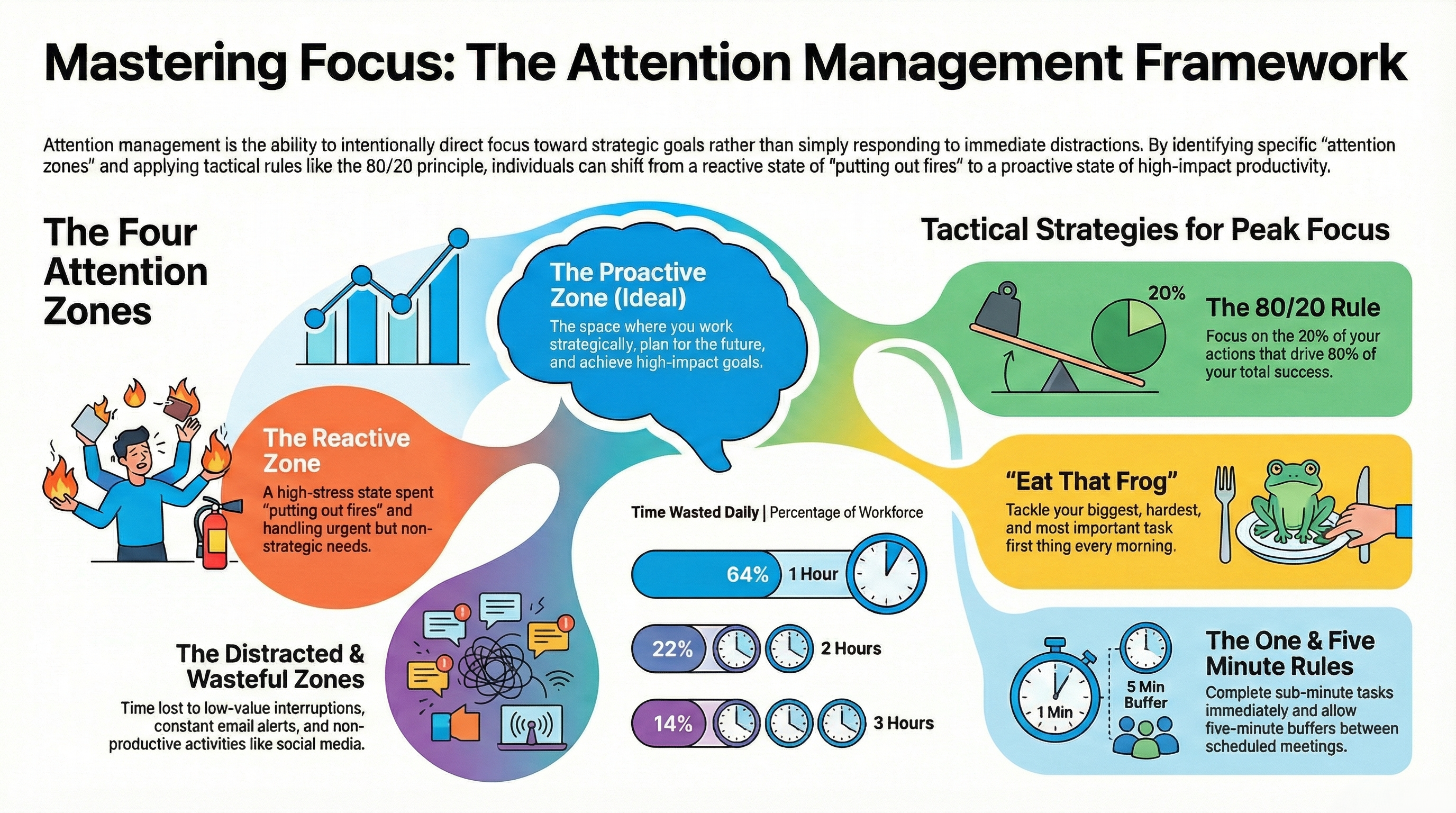
This learning module provide a structured framework for attention management to boost workplace productivity and personal satisfaction. The curriculum covers the physiological aspects of focus, including the role of different brainwaves and the impact of meditation and visualization on performance. Participants learn to categorize their daily activities into four attention zones—reactive, proactive, distracted, and wasteful—while implementing SMART goals to align with their personal visions. Practical strategies such as the 80/20 rule, the Urgent/Important Matrix, and the One Minute Rule are introduced to help individuals prioritize effectively and overcome procrastination. Through a combination of worksheets, case studies, and instructor guides, the course equips learners with the tools to maintain concentration and set healthy boundaries using assertive communication. The ultimate goal is to transition employees from a state of distraction to one of intentional action and sustained professional success.
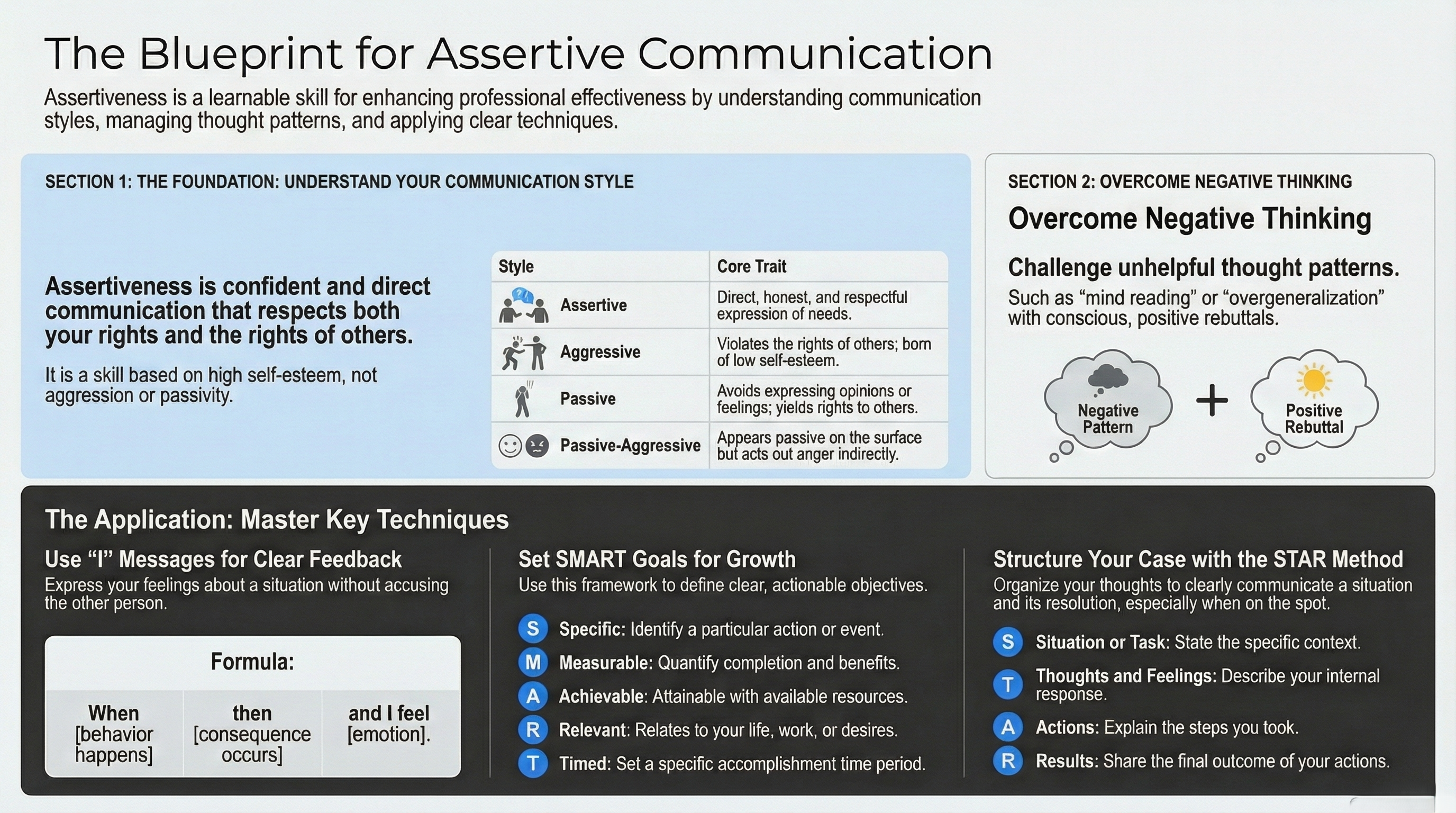
This learning module forms a comprehensive corporate training workshop focused on developing assertiveness and self-confidence. The curriculum explores four primary communication styles—passive, aggressive, passive-aggressive, and assertive—to help participants advocate for themselves while remaining respectful of others. The lessons cover essential interpersonal skills, including active listening, body language awareness, and the use of "I" messages. Additionally, the sources provide structured frameworks for professional growth, such as the SMART method for goal setting and the PEGASUS model for reaching group consensus. Practical exercises also address vocal projection, presentation techniques, and strategies for navigating difficult workplace behaviors. Ultimately, the course aims to empower individuals to improve their professional presence and achieve positive outcomes in challenging social situations.
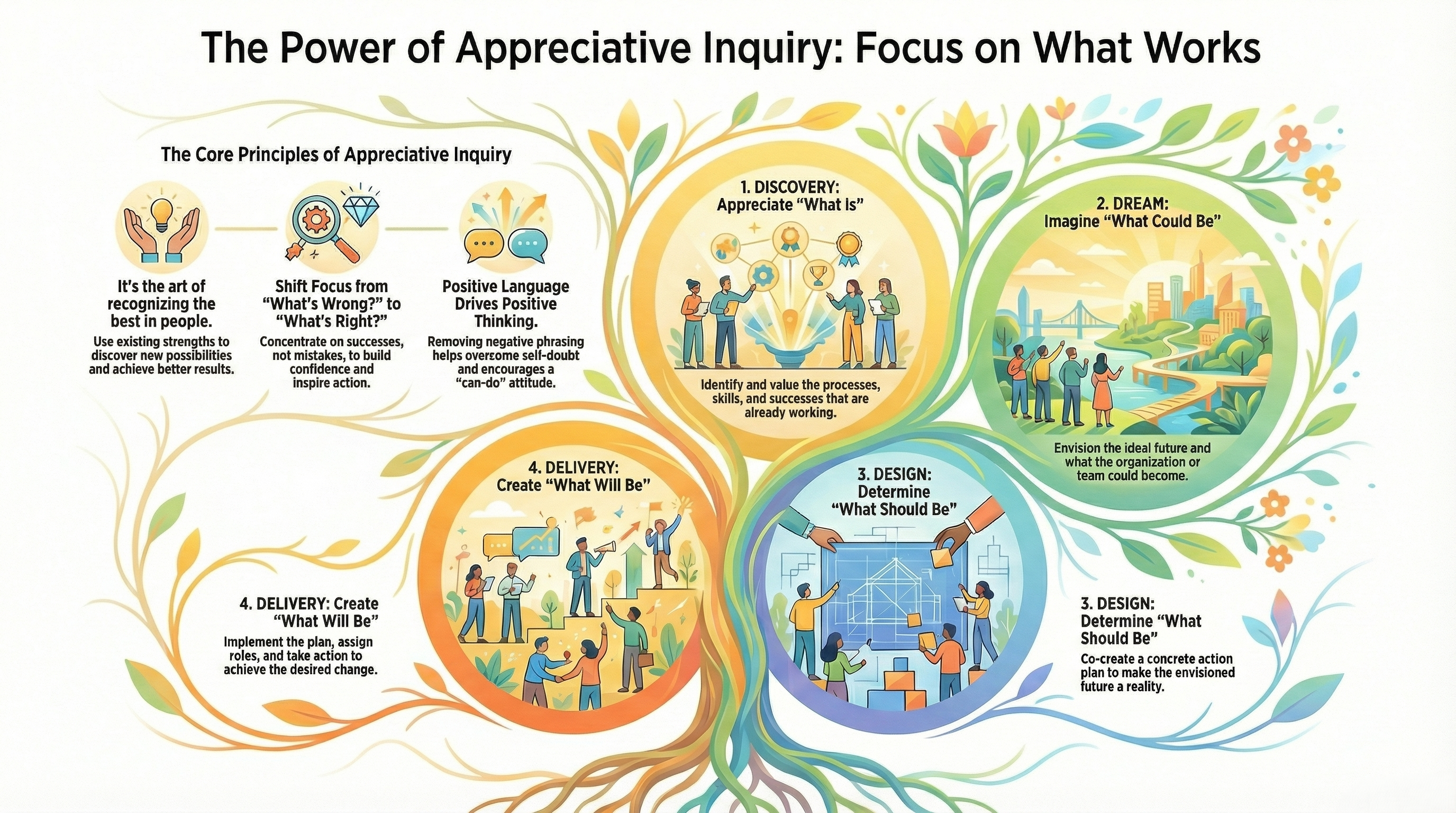
This collection of training materials introduces the concept of Appreciative Inquiry, a methodology centered on identifying and leveraging individual and organizational strengths to drive success. The sources provide a structured curriculum featuring the Four D and Four I models, which guide participants through discovering what works and envisioning a positive future. Practical exercises and case studies teach learners how to remove negative language from their vocabulary and replace it with constructive, confidence-boosting phrasing. Emphasis is placed on using positive imagery and memory of past achievements to manage stress and overcome professional challenges. The curriculum also covers specialized applications, such as conducting interviews and coaching sessions that highlight the best attributes of employees. Ultimately, the materials serve as a comprehensive guide for transforming workplace culture by shifting focus from fixing mistakes to cultivating successes
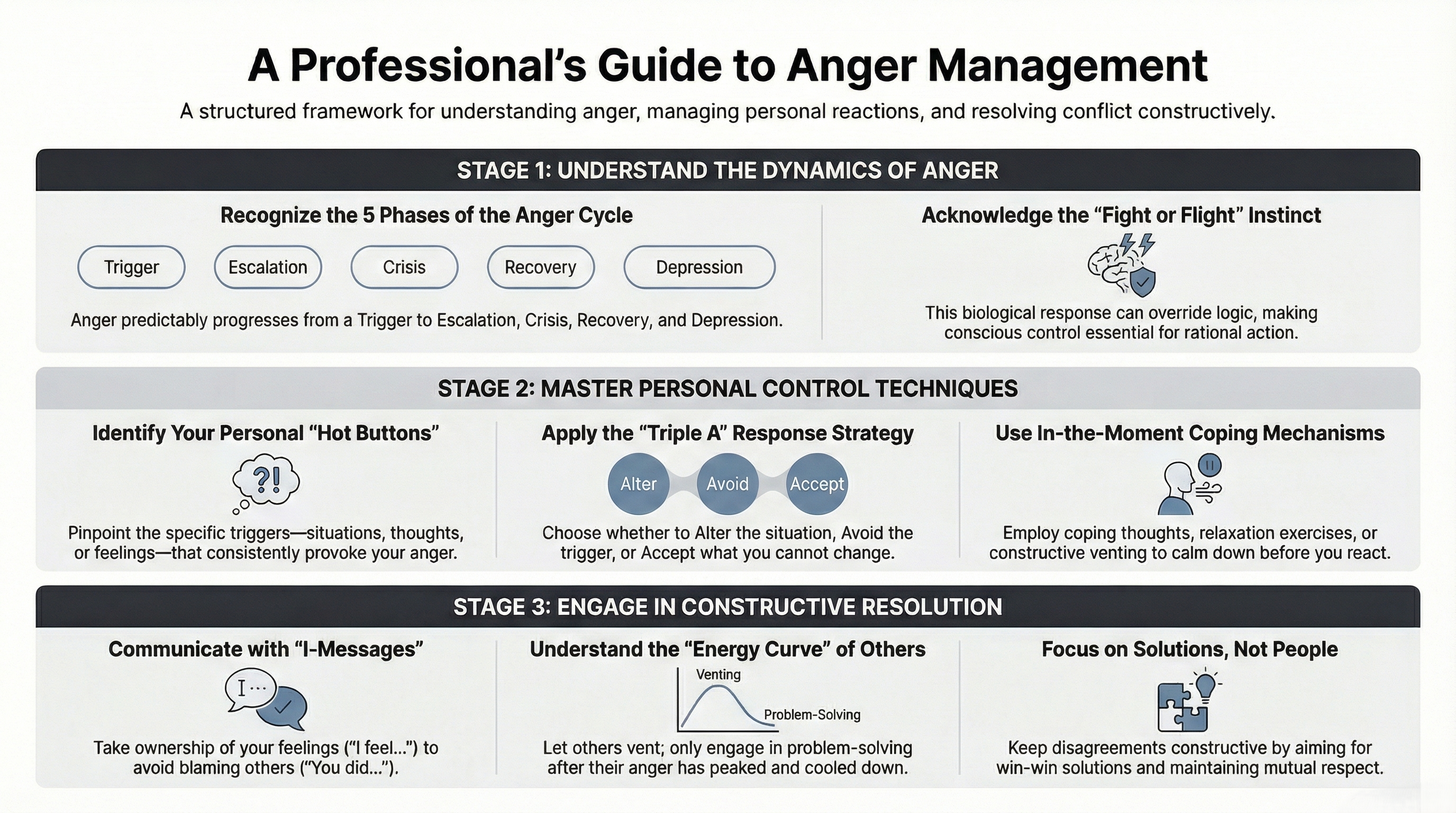
These comprehensive training materials provide a structured curriculum for anger management workshops, focusing on emotional regulation and conflict resolution. The documents detail the anger cycle, debunking common myths while explaining the biological fight-or-flight response. Participants learn to transition from subjective accusations to objective communication through tools like I-messages and de-escalation techniques. The sources emphasize practical strategies such as negotiation, building consensus, and identifying personal hot buttons. Beyond theory, the text includes worksheets, case studies, and action plans to help individuals implement long-term behavioral changes. Ultimately, the collection serves as a professional guide for instructors to facilitate personal growth and constructive disagreement in both personal and workplace settings.
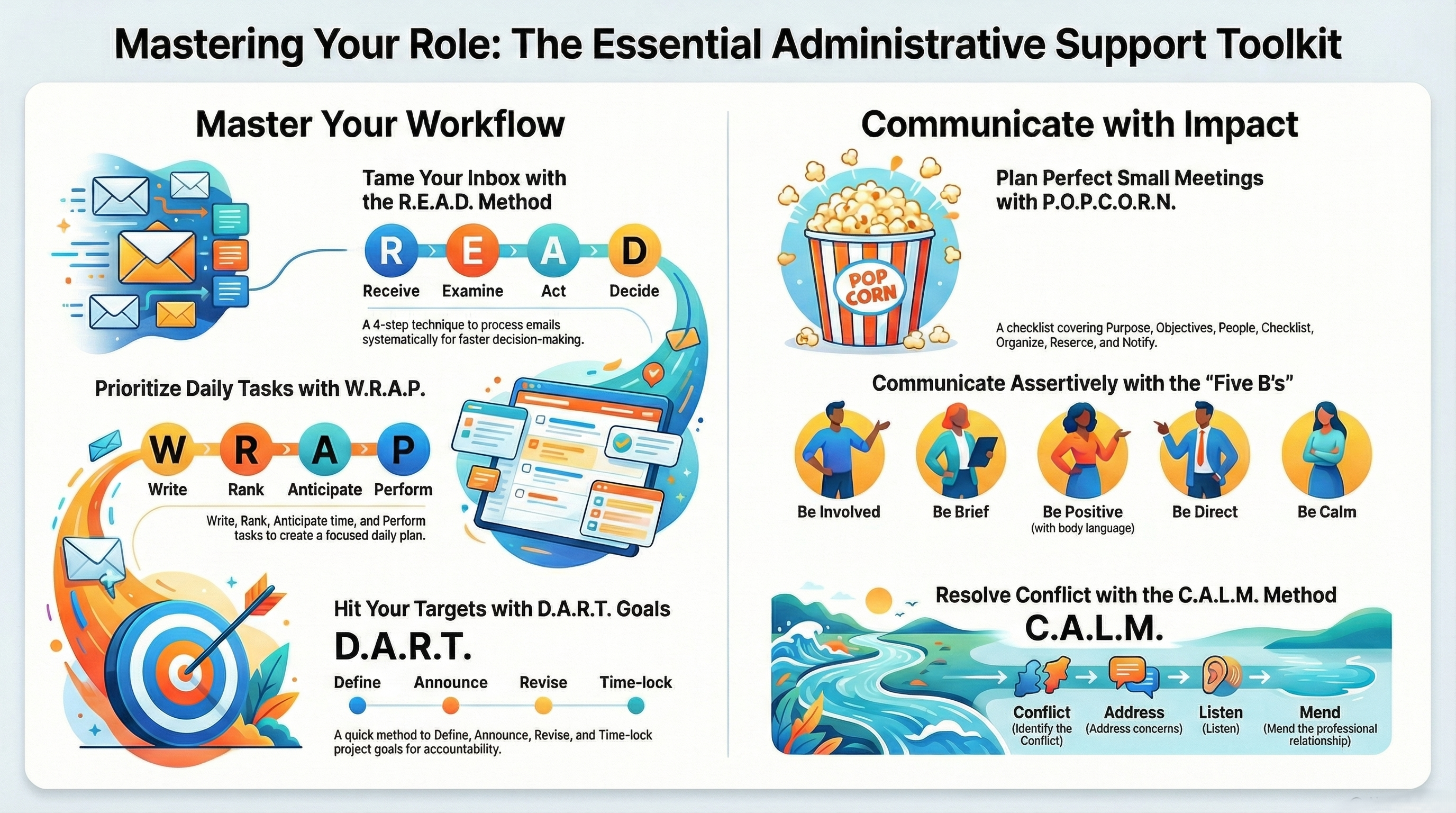
These materials comprise a comprehensive training curriculum designed to enhance the professional capabilities of administrative support staff. The sources outline critical organizational strategies, such as managing digital files and prioritizing tasks through systematic frameworks like the WRAP and DART techniques. Participants explore essential communication skills, including mastery of non-verbal cues, assertive interaction, and conflict resolution using the CALM process. Additionally, the text provides practical tools for project management, such as work breakdown structures and detailed communication plans. Beyond office logistics, the guide emphasizes personal well-being by addressing workplace ergonomics and stress management. Through various case studies and worksheets, the curriculum aims to transform administrative employees into efficient, influential partners within their organizations.
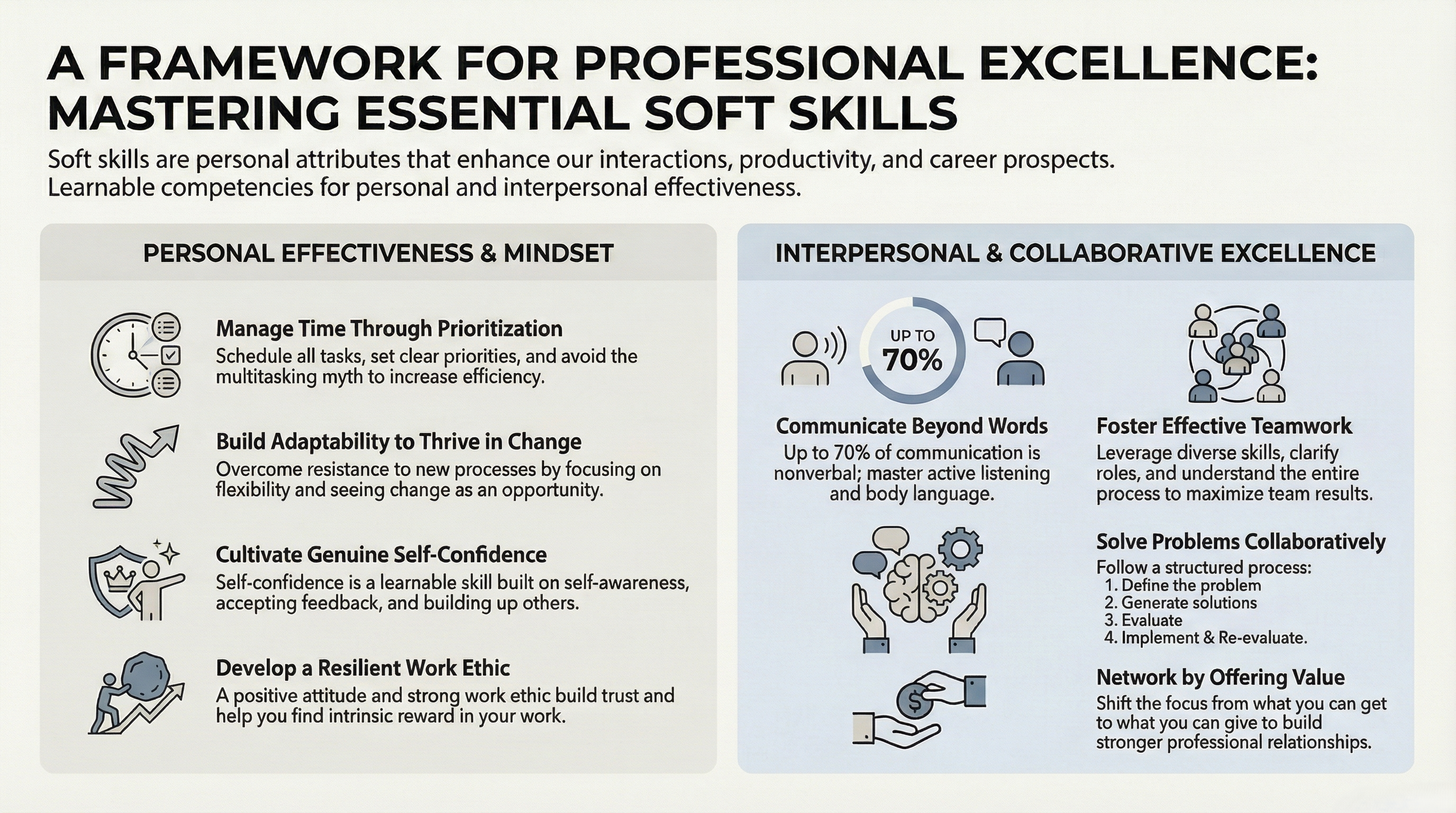
These materials comprise a comprehensive corporate training curriculum focused on developing essential soft skills for professional success. The sources include an instructor guide, a student manual, and various practical worksheets designed to facilitate interactive learning. Key modules cover critical competencies such as emotional intelligence, active listening, time management, and effective networking. Educational content is supported by real-world case studies and review questions that help participants internalize theoretical concepts. Additionally, the collection provides evaluation forms and action plan templates to track progress and assess the impact of the training. Overall, the documents serve as a structured toolkit for improving interpersonal dynamics and workplace productivity.
